

Science-backed mechanism
How Nerve-Gate Pulse works
-
TENS
gentle pulses stimulate the sensory nerves near the sore area to help 'close the gate' on the pain signal before it reaches the brain.
-
EMS
separate modes gently contract the muscle to help it relax.
-
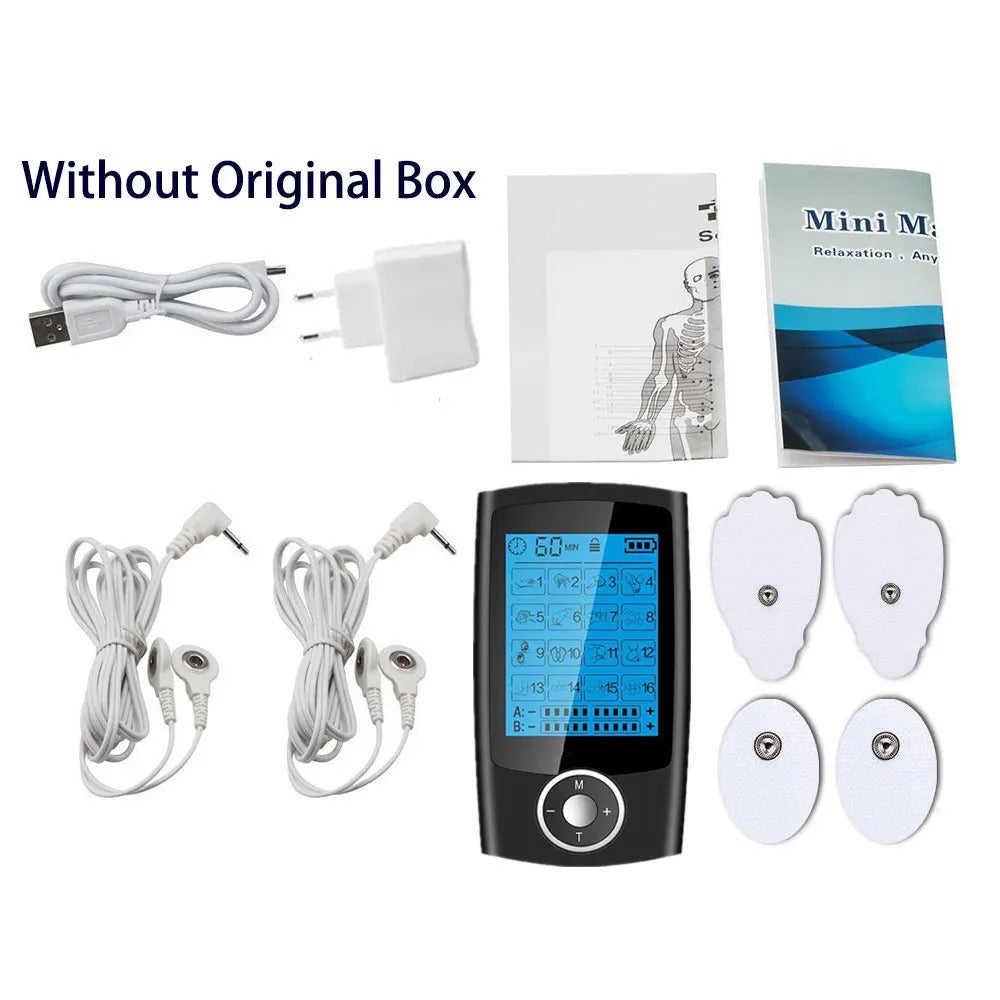
16 built-in programs and adjustable intensity.
-
Pocket-sized and rechargeable
use it at home, at work or on the go.
RespiteLab vs the usual options
| RespiteLab TENS | Pain pills | Clinic visit | |
|---|---|---|---|
| Targets the exact sore spot | |||
| Drug-free, no whole-body dose | |||
| Use any time at home | |||
| 16 programs, adjustable intensity | |||
| One-time cost | |||
| Pocket-sized, portable |
The science, honestly
How the science reads: TENS sends gentle electrical pulses through the skin. Under the long-standing gate-control theory, stimulating large A-beta sensory nerves helps 'close the gate' in the spinal cord that carries pain signals to the brain, and TENS is also linked to the body's own natural opioids. Reviews note that adequate intensity (dose) matters most for relief. TENS is a well-established drug-free, non-invasive option — this is a consumer TENS/EMS device, not a cure. Source: 'Using TENS for Pain Control: Update on the State of the Evidence,' Medicina (2022).
What to expect
-
During a session
Gentle pulses work on the area and many people feel relief while it's running.
-
After a session
The treated area feels calmer once the muscle relaxes.
-
Ongoing
A drug-free tool to reach for whenever pain flares.
